What to expect from a driveway installation, start to finish
By Janice · Updated 2026-06-27
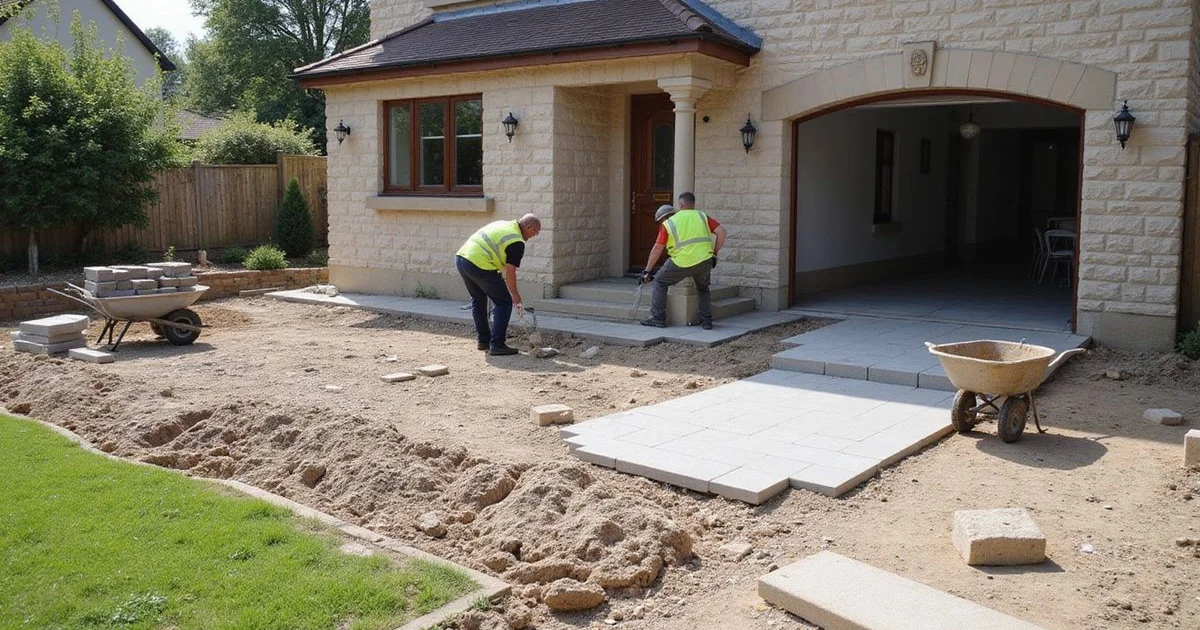
Once you’ve picked a contractor and a material, it helps to know roughly what the next week or two actually looks like. A driveway installation follows a fairly consistent sequence regardless of whether you’ve chosen block paving, tarmac, resin, or gravel, and knowing the stages makes it easier to spot if something’s being skipped. If you’re still weighing up materials, our guide to what drives driveway cost is worth reading first.
Day one: excavation and removal
Work starts with digging out the existing surface and enough soil beneath it to make room for a new sub-base, typically 100-150mm of compacted stone for a driveway carrying vehicle weight. If there’s an old concrete or tarmac surface, this is also when it gets broken up and removed. Expect noise from breakers and machinery, and skips or a lorry on site for waste. This stage often takes a full day on its own for anything beyond a small drive.
Sub-base and compaction
The excavated area gets filled with crushed stone, usually MOT Type 1, laid in layers and compacted with a vibrating plate compactor or roller between each layer. This is the stage that determines whether your driveway lasts fifteen-plus years or starts failing within a few. A properly compacted sub-base should feel firm and solid underfoot with no give, and it’s worth asking to see this stage before it gets covered, since it’s the one part of the job you genuinely can’t inspect once the surface goes down.
| Stage | What happens | Typical duration |
|---|---|---|
| Excavation and removal | Old surface and soil dug out | 1 day (small drive) to several days (larger, access-restricted) |
| Sub-base and compaction | Crushed stone laid and compacted in layers | 1-2 days |
| Edging | Kerbs, edgings, or haunching installed | Half a day, often alongside sub-base work |
| Surfacing | Tarmac, block paving, resin, or gravel laid | 1-3 days depending on material and area |
| Finishing | Jointing, sanding, line marking if applicable | Half a day |
Edging and drainage
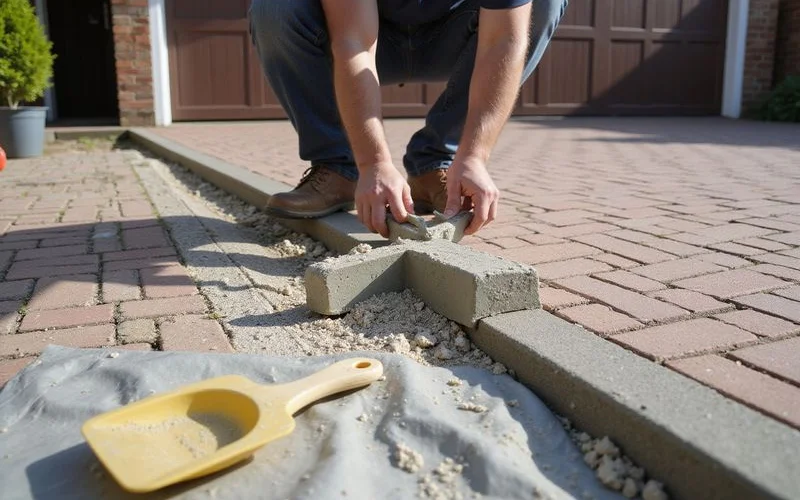
Edge restraints, whether kerbs, edgings, or concrete haunching, get set in before or alongside the final surface to stop the edges creeping outward over time. This is also when falls (the slight slope that sheds rainwater toward a drain or soakaway) get set. A driveway laid without the right fall will pool water from the first heavy rain, and that’s much harder to fix retrospectively than to get right during installation, so it’s worth confirming with your contractor how drainage has been planned before this stage happens.
Laying the final surface
This is the stage most people picture when they think of a driveway install, and it varies most by material. Tarmac is laid hot and needs a dry, reasonably warm surface to bond properly, so weather can shift the schedule. Block paving is laid unit by unit in the chosen pattern, then compacted again once in place. Resin bound surfacing is mixed and troweled on site, needing a sound, dry base to cure correctly. Whichever material you’ve chosen, this stage typically wraps up with jointing, kiln-dried sand brushed into block paving joints, or a final compaction pass.
What’s normal and what to flag
Some noise, dust, and blocked access for the duration of the job is normal and unavoidable. What isn’t normal: a contractor rushing through sub-base compaction to hit a deadline, skipping edge restraints to save time, or being vague about drainage falls when asked directly. These are the shortcuts that show up later as sinking, cracking, or standing water, often within the first year or two rather than immediately, which is part of why they’re easy to miss on the day.
Ask your contractor for a rough day-by-day plan before work starts, and don’t be afraid to ask questions as each stage happens rather than waiting until the surface is down and it’s too late to check. Our driveway paving page lists Cheltenham contractors scored on workmanship and reliability, and our methodology explains exactly what that scoring is based on. The homepage has the full list across every paving category if you’re still comparing options.
FAQ
- How long does a driveway installation actually take?
- A small, easy-access driveway can be done in two to three days. Larger jobs, or ones with restricted access, tricky drainage, or a lot of old surface to remove, often take a week or more. Ask for a realistic timeline as part of your quote, not just a completion date.
- Will my property be disrupted the whole time?
- Expect noise and dust during excavation and compaction, and vehicle access to your driveway will be blocked for most of the job. Reputable contractors will talk you through how they'll manage skips, deliveries, and parking, especially if access is tight.
- What happens if it rains during the job?
- Excavation and sub-base work can usually continue in light rain, but laying tarmac or resin needs a dry, reasonably warm surface to bond properly, so those stages may be delayed. A contractor should flag weather risk upfront if your job is booked during an unsettled period.
- How do I know the job was done properly once it's finished?
- Check that water runs away from the house rather than pooling, that edges are firm rather than crumbling, and that the surface sits level with no dips. Ask what sub-base depth was used, since that's the part you can't inspect once it's covered.