Do you need planning permission for a new driveway
By Janice · Updated 2026-07-08
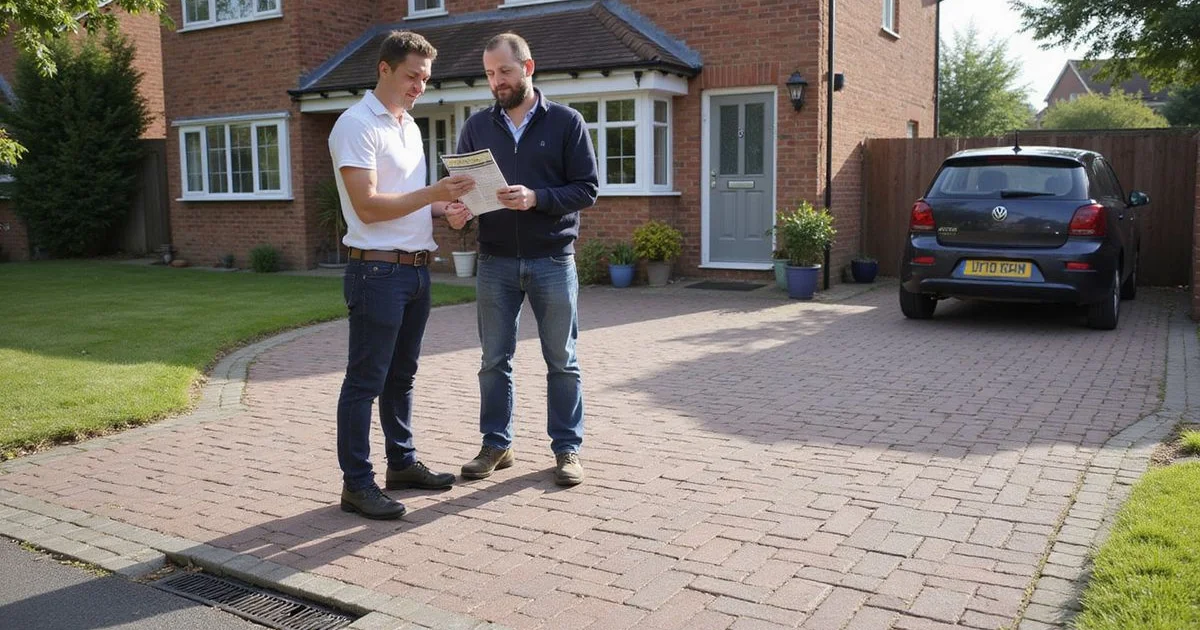
This is general information about how planning permission rules typically apply to driveways in England, not legal advice for your specific property. Rules can vary by council and by site, so confirm your situation directly with Cheltenham Borough Council before starting work.
One of the more overlooked risks in a driveway project isn’t the paving material or the price, it’s whether the work needs planning permission in the first place. It’s a genuine concern locally: contractors have been flagged for pressing ahead without permits, leaving homeowners exposed if problems surface later.
The basic rule
Under permitted development rights, homeowners can typically install a driveway without formal planning permission if either the surface is permeable (water drains through it rather than running off), or the impermeable area is under 5 square metres. Go above that 5 square metre threshold with a standard impermeable surface, block paving without permeable gaps, tarmac, or concrete, and permission is generally required.
This exists because of sustainable drainage requirements: councils want to avoid large hard surfaces sending rainwater straight into stretched drainage systems, particularly as more front gardens across the country get paved over for parking.
Why this matters more than it sounds
If you skip a required application and it later comes to light, whether through a neighbour’s complaint, a council inspection, or a buyer’s solicitor during a house sale, the council can require a retrospective application. In the worst case, that can mean being told to alter or remove the surface entirely, at your own cost, well after the contractor who laid it has been paid and moved on. This is exactly the kind of situation where the cheapest, fastest-sounding quote can end up the most expensive if the contractor didn’t check or didn’t bother to mention it.
| Situation | Permission typically needed? |
|---|---|
| Permeable surface (gravel, permeable block paving), any size | Usually not required |
| Impermeable surface under 5 m² | Usually not required |
| Impermeable surface over 5 m² | Usually required |
| Listed building or conservation area | Check with the council regardless of size |
| Dropped kerb access from the road | Separate highways permission, in addition to any planning consent |
What to actually do before work starts
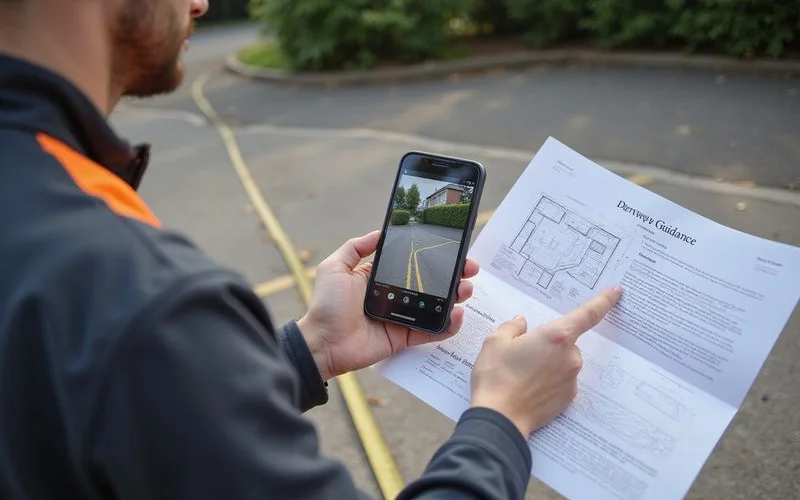
Check with Cheltenham Borough Council’s planning department, or its online planning portal, before agreeing a design, particularly if you’re planning anything larger than a small impermeable area or if your property sits in a conservation area. This takes a phone call or a short web search, and it’s worth doing yourself rather than relying entirely on a contractor’s word, since the responsibility for an unauthorised structure sits with the property owner, not the contractor who laid it.
A reasonable contractor will raise this with you unprompted and help with the paperwork if a dropped kerb or highways approval is involved, since that’s a separate process from planning permission and needs sign-off before kerb work can start. If a contractor brushes off the question or tells you not to worry about it, treat that as a reason to ask more questions, not less.
It’s also worth putting the answer in writing somewhere, even just an email confirming what the contractor told you about permission and who’s responsible for checking it. If a dispute ever comes up later, whether with the council or with a buyer’s solicitor, having a record of what you were told and when is far more useful than trying to remember a verbal conversation from months earlier.
Choosing a permeable design to sidestep the issue
If avoiding the planning process altogether appeals to you, permeable options like gravel, permeable block paving, or certain resin bound systems can often keep a driveway under the threshold that triggers permission, regardless of its total area. This is also generally the more sustainable drainage choice, so it’s worth asking your contractor whether a permeable design meets both your practical needs and this rule before assuming you need to apply for consent at all.
Our driveway paving page lists Cheltenham contractors who can advise on permeable options and site-specific rules, and our methodology explains how we score contractors on reliability, which includes handling this kind of process correctly. The homepage has the full directory across every paving category.
FAQ
- Does every new driveway need planning permission?
- No. Under permitted development rights, a driveway using a permeable surface, or one under 5 square metres of impermeable surface, typically doesn't need formal consent. Once you go above that threshold with an impermeable material like standard block paving, tarmac or concrete, permission is usually required.
- What counts as a permeable surface for this rule?
- Gravel, permeable block paving with gaps designed to let water through, and some resin bound systems can count as permeable, depending on how they're laid. A contractor familiar with local rules should be able to tell you whether your chosen material and design qualifies.
- What happens if a driveway is laid without permission when it was needed?
- The council can require retrospective planning applications, and in some cases order the surface to be altered or removed at the owner's cost. It can also complicate things if you come to sell the house, since buyers' solicitors often check for unauthorised works.
- Do conservation areas or listed buildings have different rules?
- Yes, often stricter ones. Properties in a conservation area, or those that are listed, can face tighter restrictions even for driveways under the standard size threshold, so it's worth checking your specific situation with the council rather than assuming the general rule applies.