When a sunken driveway or patio becomes a safety problem
By Janice · Updated 2026-07-14
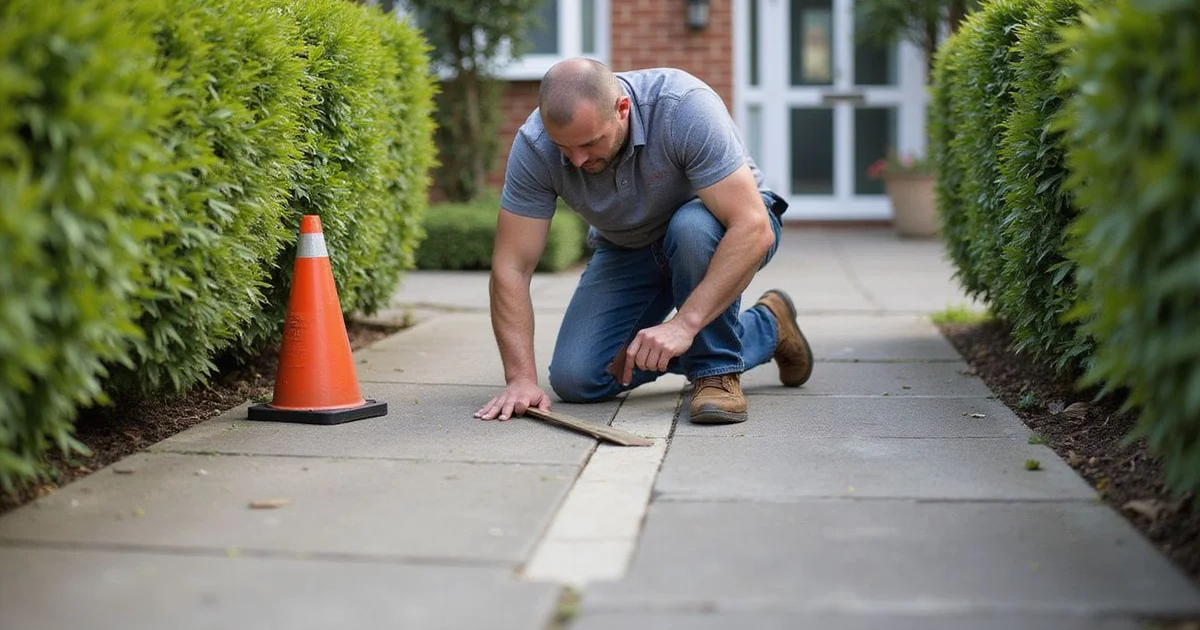
Most paving problems start small: a slab that rocks slightly, a patch that holds a bit of water after rain, a corner that’s a shade greener than the rest with moss. None of that looks urgent. The trouble is that these small signs are often the early stage of the same failure pattern that, left alone, turns into a genuine trip hazard or a slip risk.
What actually causes it
Nearly every case of a driveway or patio becoming unsafe underfoot traces back to the same root cause: the sub-base beneath the surface has failed or was never built to the right depth in the first place. When that happens, individual blocks or slabs settle unevenly rather than as one solid surface, creating the height differences and rocking that catch a foot or a wheel. Reviewers across Cheltenham’s paving trade consistently link early-stage failures like this to inadequate groundwork rather than the paving material itself, and a poorly built base rarely fails evenly, which is exactly why you end up with one dangerous corner rather than a uniformly worn surface.
Drainage failure compounds the problem. A surface that doesn’t shed water properly holds puddles, which in shaded or north-facing spots encourages moss and algae to establish. That combination, standing water plus organic growth, is what makes a patio or path genuinely slippery rather than just a bit damp.
Cosmetic wear versus a real hazard
Not every imperfection needs fixing urgently. A little joint sand loss, light efflorescence on new block paving, or minor colour variation in natural stone are cosmetic and don’t affect safety. The distinction that matters is whether there’s a height difference or instability you could catch a foot or a wheel on, or a surface that’s genuinely slick underfoot when wet, not just slightly damp.
| Sign | Likely just cosmetic | Worth addressing |
|---|---|---|
| Slight colour variation or fading | Yes | — |
| Joint sand needing a top-up | Yes | — |
| A slab or block that rocks underfoot | — | Yes |
| Standing water after rain | — | Yes |
| Visible moss or algae in a damp corner | Sometimes | Yes, if it’s slick when wet |
| A noticeable step or lip between adjacent slabs | — | Yes |
What to do about it
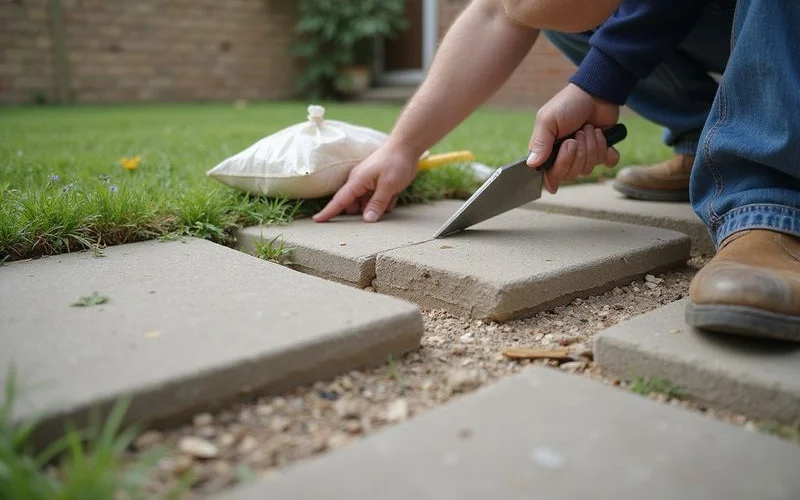
For an isolated problem area, a contractor can usually lift the affected blocks or slabs, correct the bedding underneath, and relay them without touching the rest of the surface, which is a smaller and cheaper job than a full rebuild. If the problem shows up in multiple spots, or the whole surface flexes or holds water rather than just one corner, that’s usually a sign the base itself has failed more broadly, and patching one area will just mean the next area starts failing on the same timeline.
For slippery patches caused by moss and algae rather than settlement, a stiff brush and a jet wash on a dry day often improves grip meaningfully, though if the underlying cause is poor drainage, the moss will keep coming back until the drainage itself is corrected.
Preventing it in the first place
If you’re having new paving laid, the safety of the finished surface starts with decisions made before a single slab or block goes down. A properly compacted sub-base at the right depth, edge restraints that stop blocks creeping outward, and a correctly calculated fall for drainage are the three things that most reliably prevent the sinking, rocking, and pooling that lead to hazards later. None of these are visible once the job is finished, which is exactly why it’s worth confirming them with a contractor at the quote stage rather than assuming a finished-looking surface means a safely built one.
For an existing driveway or patio, a periodic look over the surface, checking for new unevenness, standing water after rain, or moss establishing in a spot that was previously clear, catches problems while they’re still a small, cheap fix rather than a full rebuild.
When to get someone out to look
If you’re regularly watching your step in one particular spot, or a visitor has mentioned tripping or nearly slipping in the same place more than once, treat that as worth acting on rather than something to keep an eye on indefinitely. A short site visit from a paving contractor can usually tell you within minutes whether you’re looking at a quick re-bedding job or a sign the base needs a proper rebuild.
Our methodology explains how we score paving contractors on workmanship and reliability, and the homepage lists the full directory of Cheltenham businesses we’ve scored if you’re looking for someone to assess a problem area.
FAQ
- How do I know if a sunken slab is just cosmetic or an actual trip hazard?
- A rough guide is any height difference you can catch a shoe or a wheel on, generally anything more than a centimetre or so between adjacent slabs or blocks. If you notice yourself watching your step in a particular spot, that's usually a sign it's worth fixing rather than leaving.
- Why do driveways and patios get slippery in certain spots?
- Shaded, damp areas encourage moss and algae growth, which gets slicker when wet. Poor drainage that leaves water sitting on the surface makes this worse, since standing water is what algae needs to establish in the first place.
- Can a sunken area be fixed without redoing the whole surface?
- Often yes, if the problem is isolated to a small area and the rest of the base is sound. A contractor can usually lift the affected blocks or slabs, fix the bedding underneath, and relay them without touching the rest of the surface.
- Is a cracked or sunken driveway a liability issue if someone gets hurt?
- This is general information, not legal advice, but property owners in the UK generally have a duty of care to keep areas used by visitors reasonably safe. If you're concerned about liability for a specific incident, a solicitor is the right person to advise you, not a paving contractor.