The best time of year to get driveway or patio work done
By Janice · Updated 2026-07-17
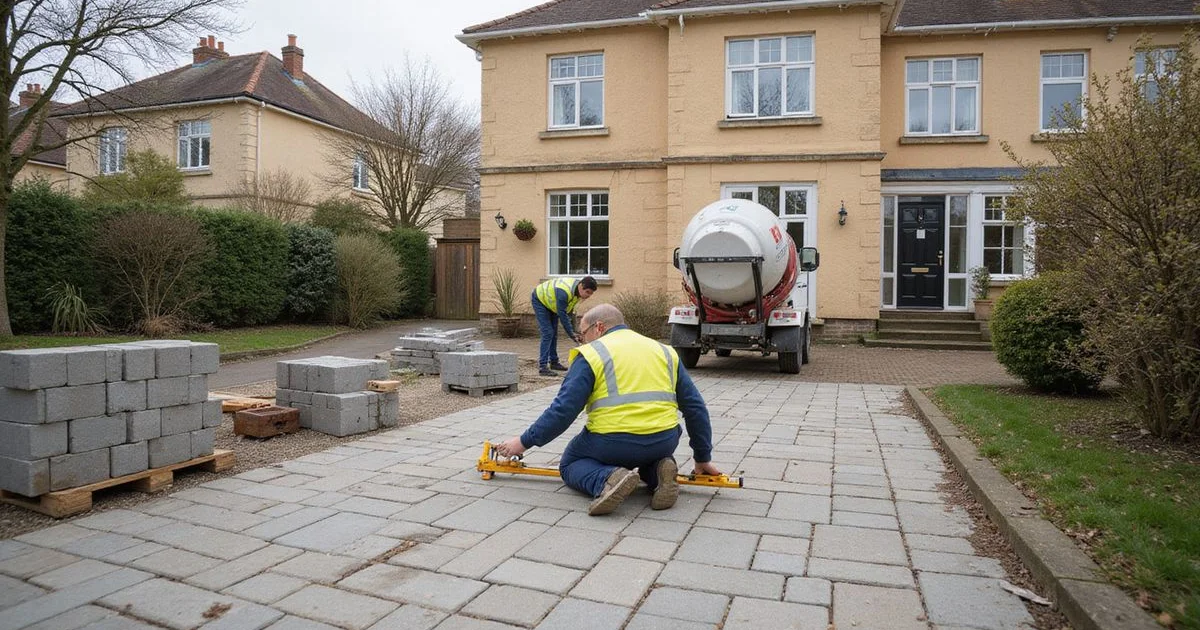
Paving work in Cheltenham happens year-round, but the season you choose does affect how smoothly a job goes, and for some materials, how well the finished surface performs. It’s worth factoring in before you fix a start date, particularly if you’re choosing between tarmac, resin, and other materials with different weather sensitivities.
Why weather matters more for some materials than others
Tarmac needs to be laid hot and needs a dry, reasonably warm surface to bond properly, which makes it more weather-dependent than materials like block paving or natural stone. Resin bound surfacing similarly needs the right temperature and dry conditions to cure correctly; laying it in cold, damp weather risks a surface that doesn’t set as intended. Block paving and natural stone are more forgiving, since the blocks or slabs are mechanically bedded rather than needing to chemically cure, so light rain during installation is less of an issue for these materials.
| Material | Weather sensitivity | Best avoided |
|---|---|---|
| Tarmac | High | Cold, wet, or frosty conditions |
| Resin bound | High | Cold, damp, or humid conditions |
| Block paving | Lower | Heavy, sustained rain during laying |
| Natural stone/flagstone | Lower | Heavy, sustained rain during laying |
| Gravel | Lowest | Rarely weather-restricted |
The practical case for spring and autumn
Late spring through early autumn tends to offer the most consistent dry, mild weather for laying tarmac or resin, which is part of why this period is also the busiest booking window for paving contractors across Cheltenham. If your project involves either of these materials, booking early in the year for a spring or summer slot gives contractors the best conditions to work in and reduces the chance of weather-related delays pushing your start date back.
Autumn can also work well, particularly for block paving or natural stone jobs, before the wetter winter months make groundwork slower and less pleasant to manage.
What winter actually changes
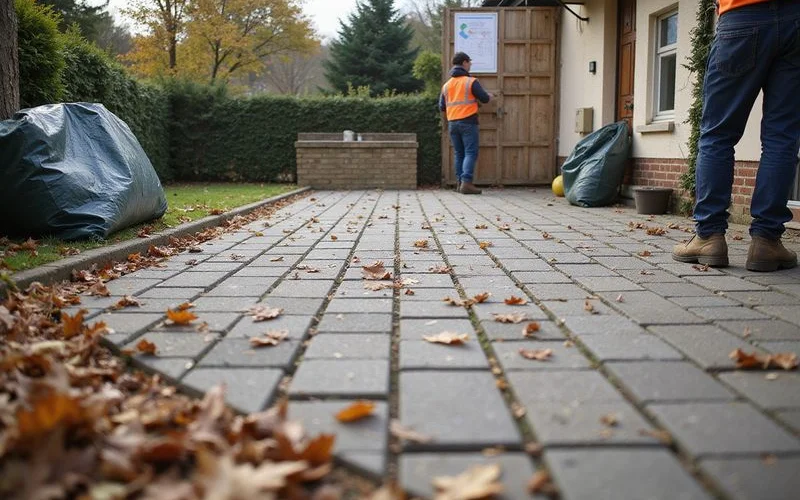
Winter doesn’t rule out paving work, but it does change the experience. Groundwork and excavation take longer in wet ground, and frosty mornings can delay the start of a working day until the ground has thawed enough to compact properly. Freeze-thaw cycles, where water in the ground or within a surface freezes and expands repeatedly, put real stress on any driveway or patio with an already weak sub-base or drainage that isn’t working properly, which is why problems that were invisible in summer often show up for the first time after a hard winter. This isn’t a reason to avoid winter work on a well-built surface, but it is a reason to be extra careful about groundwork quality if you do book during colder months.
On the upside, contractors are often quieter in winter, which can mean better availability and, in some cases, more competitive pricing than during the peak spring and summer rush.
Seasonal maintenance, not just installation timing
Season matters for upkeep as well as installation. Joint sand in block paving washes out gradually and often needs topping up after a wet winter, so early spring is a sensible time to check joints before weeds get a foothold in the gaps over summer. Moss and algae on patios and paths tend to build up through the damp autumn and winter months, so a clean and re-seal, where the material calls for one, is often best done in spring once surfaces have had a chance to dry out properly. Gutters and drains that feed a driveway’s falls are also worth clearing in autumn, since a blocked drain going into winter is what turns ordinary rainfall into standing water and, eventually, frost damage.
Planning around the calendar
If your project is flexible, aim to book tarmac or resin work for a stretch of settled weather in late spring, summer, or early autumn, and get quotes several weeks ahead since this is when contractors are busiest. If your timeline is fixed by something else, a house move, a sale completion, or a family event, block paving or natural stone give you more flexibility to proceed regardless of season, since they’re less sensitive to the conditions on the day.
Our methodology explains how we score Cheltenham paving contractors on reliability, which includes how well they manage weather-dependent scheduling. The homepage has the full directory if you’re ready to start comparing quotes for your preferred season.
FAQ
- Is there a season when paving work simply can't happen?
- No, most paving work continues year-round, but certain stages, particularly laying tarmac or resin, need dry, reasonably mild conditions to bond and cure properly. Heavy or prolonged rain can push those stages back rather than stop the job outright.
- Does winter cause driveways to fail?
- Winter itself doesn't cause failure in a properly built driveway, but freeze-thaw cycles put stress on any surface that already has a weak sub-base or trapped moisture, which is why existing problems often become visible for the first time after a cold winter.
- Is it cheaper to book paving work in the off-season?
- Contractors are often less booked up in quieter months, which can mean more availability and sometimes more competitive pricing than during the busiest spring and summer period, though this varies by contractor.
- How far in advance should I book if I want work done in spring?
- Spring and early summer are typically the busiest booking period for driveway and patio work, so getting quotes and a provisional date in late winter gives you a better chance of getting your preferred contractor and timeframe.